How the Aircraft Hydraulic System Controls the Strength Behind Every Flight
The average modern aircraft may seem sleek and fluid up in the sky, but as with all big systems, there is a lot of power behind that seemingly smooth movement. The second most prominent technology that is inside of any airplane is the aircraft hydraulic system.
Some of the most massive and mission-critical operations that occur during flight are quietly powered by this system. Thus, as a flying system it would need to process enough data that without it pilots would not be able to safely and effectively control major functions of an aircraft.
Why Aircraft Need Hydraulic Power?
Large moving things require large force to work and airplanes have fleet of parts. Wings bend in flight, landing gear gets raised, and lowered, massive aircraft must have some means of being stopped once they land.
This is possible thanks to the aircraft hydraulic system, which works using pressurized fluid to transmit power.
Hydraulics is the preferred solution in aviation, because they offer:
- High power with less effort
- Smooth and accurate movement
- Reliable performance under pressure
- Better control during flight operations
That is why hydraulic technology fits perfectly with the aircraft of today.
The Main Parts of the System
All hydraulic systems found on an aircraft consist of many key components working in concert with one another.
Hydraulic Pumps
It is this pressure that keeps hydraulic fluid moving through the hydraulic system.
Hydraulic Fluid
It has been said that the aircraft is entirely dependent on special fluid for carrying the pressure. It should perform under the most extreme temperatures and operating conditions.
Valves and Lines
Valves route the fluid to various aircraft systems, while hoses and pipes transport it safely across the aircraft.
Actuators
Hydraulic actuators provide mechanical motion by converting fluid power into hydraulic pressure. They help landing gear, brakes and flight control surfaces.
It consists of multiple components that are significantly responsible for keeping the system responsive and stable.
Where Hydraulic Systems are Used?
The aircraft hydraulic system supports numerous critical flight tasks.
Landing Gear Systems
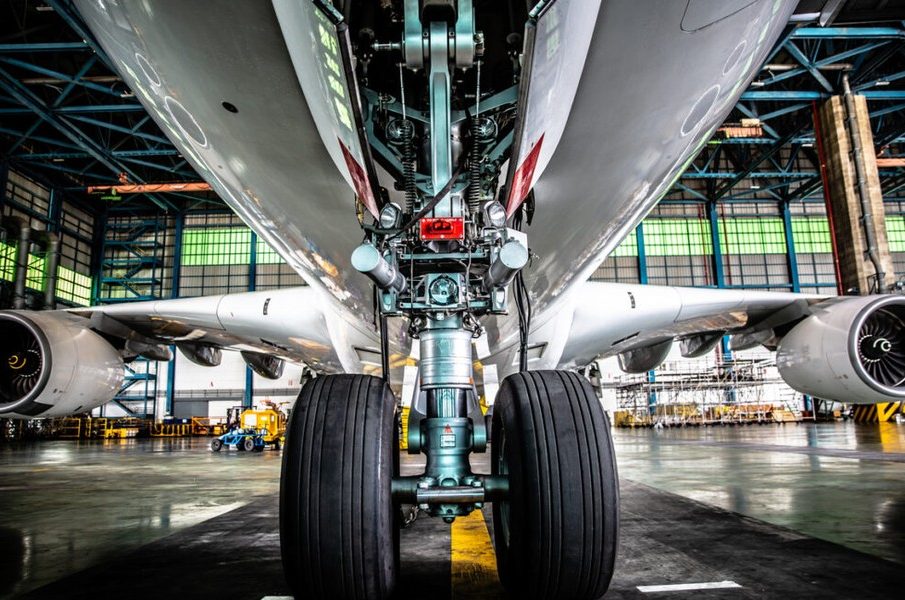
Hydraulics are used to lift the landing gear up and down during takeoff and landing.
Flight Controls
Flaps, rudders, and ailerons flown by hydraulic-powered controls, the controls pilots flirt with endlessly in flight.
Brake Operations
Aircraft brakes need large amounts hydraulic force to safely stop after landing.
These systems use simple algorithms to ensure that these systems have to work perfectly because passenger lives depend on it.
Why Maintenance is So Important?
Hydraulic Systems operate under extreme pressures. And sometimes, as components get older they wear down or get leaky.
Regular engineering and maintenance help engineers to diagnose issues earlier before they affect the performance of the aircraft.
Common inspection areas include:
- Fluid pressure levels
- Hose condition
- Seal wear
- Fluid contamination
This also lowers the risk of mechanical failure and improves reliability of the aircraft hydraulic systems.
The Future of Hydraulic Technology
Hydraulic system tips to ease aircraft performance and weight reduction − Aviation manufacturers are still working to improve hydraulic systems, to make the aircraft heavier and easier.
New developments include:
Today, many modern aircraft are incorporating an electronic component along with hydraulics into their systems for more control and efficiency.
This makes it easier for airlines to improve safety and operating costs.
Final Thoughts
Among various technologies in an airplane, the aircraft hydraulic system is one which should be understood. It provides the necessary power to accurately and reliably control large systems.
If you’re not a die-hard aviation fan, you might not know that hydraulic technology underlies nearly every phase of the flight − though in general, all passengers really ever see of it. Hydraulic systems will continue to be a vital component of safer, smarter, and more efficient aircraft operations as aviation evolves further into the future.