
Tooth Cavity Odyssey: Exploring The Most Prevalent Dental Problems
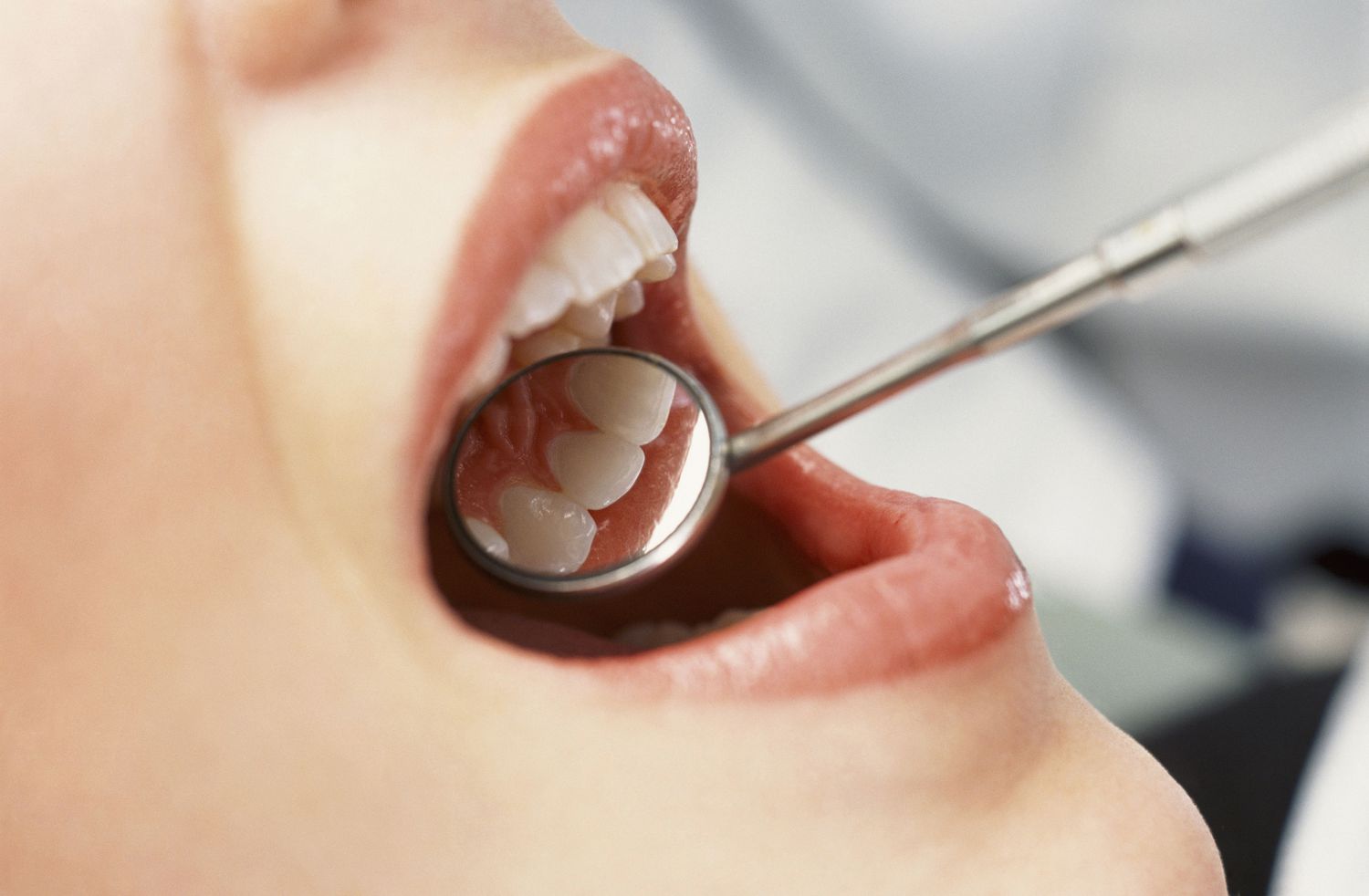
Tooth decay or cavity is the most prevalent oral problem globally. It can affect any age group, gender, or ethnicity. It destroys the surface of a tooth, and when left untreated it can spread to deeper tissues causing pulpal infection.
Fortunately, the family dentist in Upper East Side, New York, and their team offer a comprehensive approach to early cavity detection and treatment to rehabilitate your oral health.
A comprehensive guide to cavity
Cavity, also known as dental caries, is the destruction of the tooth surfaces due to the breakdown of the enamel layer. Poor oral hygiene paves the way for an increased bacterial accumulation, leading to the formation of plaque (soft sticky film covering the tooth surface). This thin biofilm produces harmful acids, toxins, and by-products that demineralize the hard layer of the tooth forming tiny holes, pits, or cavities. If left untreated, tooth decay can cause pain, swelling, pulpal infection, and tooth loss.
There are five stages of cavity namely:
- Stage 1: Initial demineralization
- Stage 2: Enamel decay
- Stage 3: Dentin decay
- Stage 4: Pulp damage
- Stage 5: Abscess
Symptoms of tooth cavity:
Symptoms of tooth decay vary depending on the severity of the damage caused. Initial cavities exhibit no symptoms except surface discoloration. However, advanced cavities include the following symptoms:
- Constant tooth pain
- Increased tooth sensitivity to hot, cold, and sugary foods
- White or dark spots on the teeth
- Bad breath
- Deep cavity
- Difficulty chewing
- Halitosis (bad breath)
- Increased gingival swelling, redness, and bleeding.
How is a cavity treated?
Treatment options include:
- Fluoride Treatment
- This treatment option helps treat mild tooth decay such as pits and fissures.
- Fluoride helps in the remineralization of the enamel which can halt tooth decay and prevent further damage.
- Dental Fillings
- If you have a typical tooth cavity, a dental filling is an ideal option.
- The dentist will remove the decayed tissues, and restore the tooth by using an appropriate filling material or cement.
- Root Canal Therapy
- Tooth decay that extends deeper into the pulp requires extensive procedures like root canal therapy.
- The decayed tissue and the entire pulp is removed and replaced with a biocompatible material like gutta-percha.
- Tooth extraction
- Tooth decay beyond repair is mostly extracted and replaced with suitable dentures, bridges, or dental implants.
Summary
Dental cavity is a widespread oral problem affecting millions irrespective of age or gender. It can vary in intensity with five different stages as the infection spreads to the deeper layers. Knowing the symptoms is essential to seek dental care for optimal treatment and oral rehabilitation.